

As Fall approaches, you might feel the need to tidy your yard by raking and bagging leaves, pulling up spent annuals, and deadheading flowers. But a yard free of leaves and other organic matter does not sustain wildlife. Consider leaving the fallen leaves in place to help protect and shelter local wildlife, enrich the soil, and reduce environmental pollution. Leaving seedheads in your garden through fall and winter provides crucial food for wildlife, protects overwintering insects, and adds visual interest to the landscape.
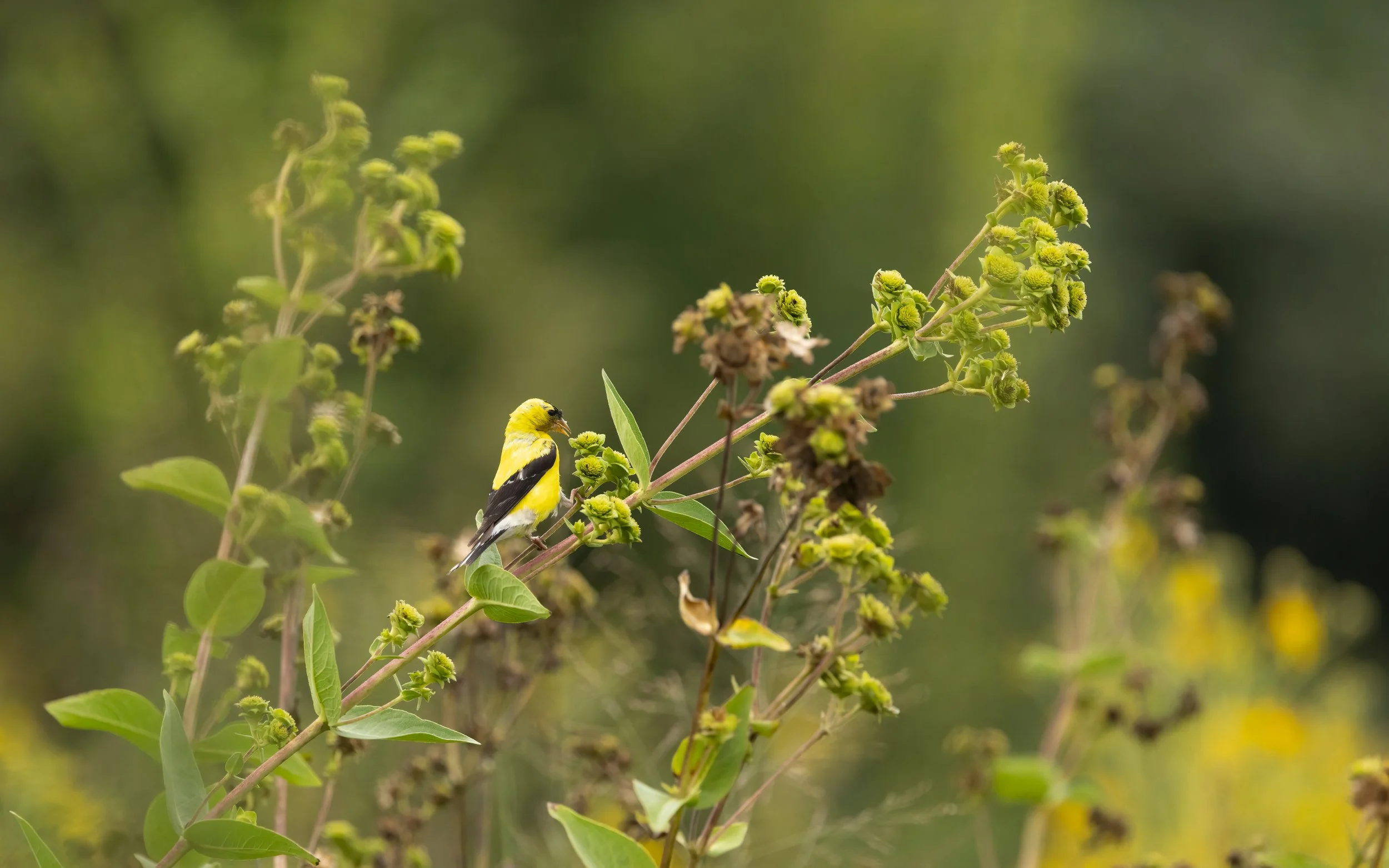
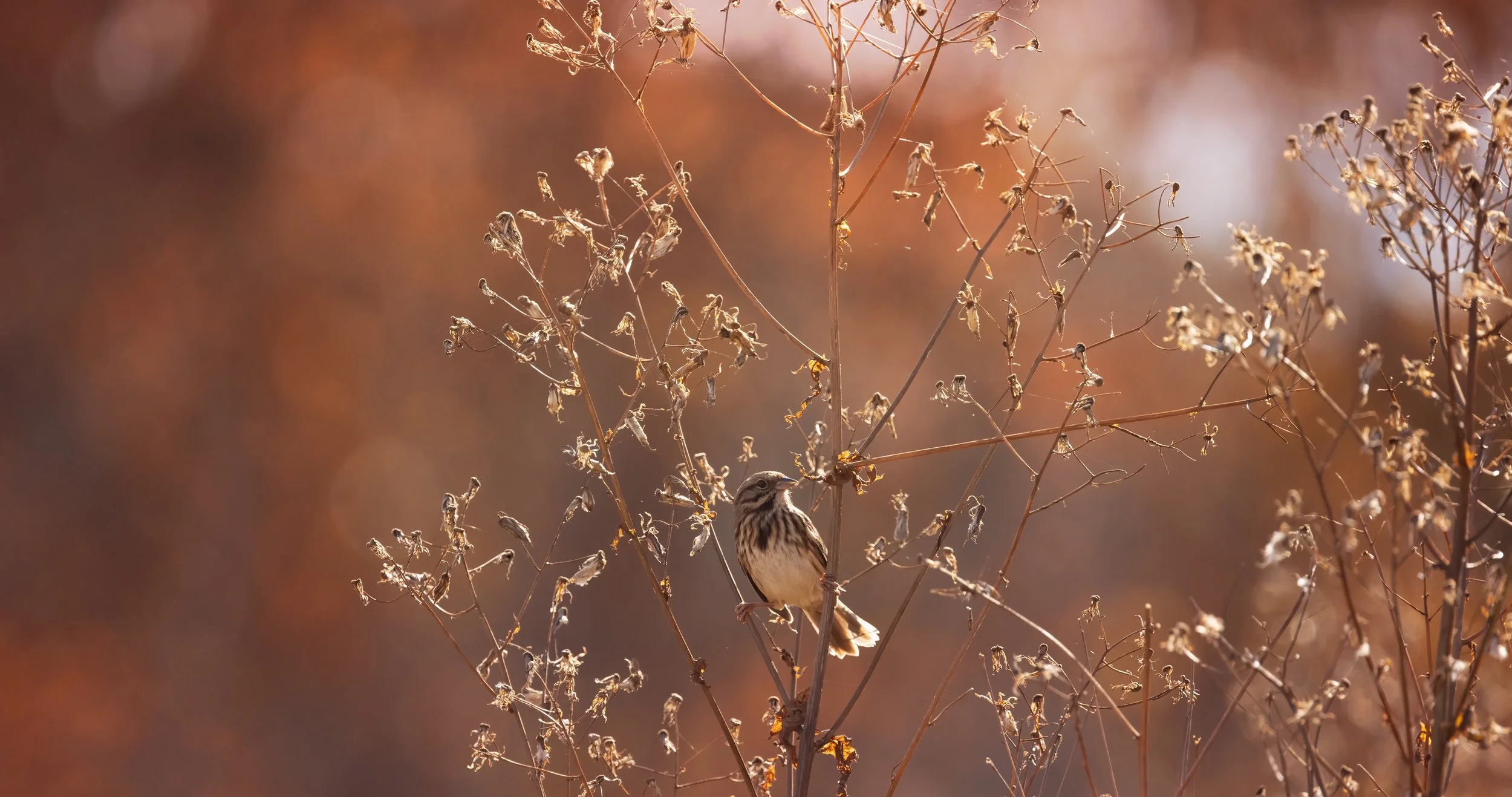
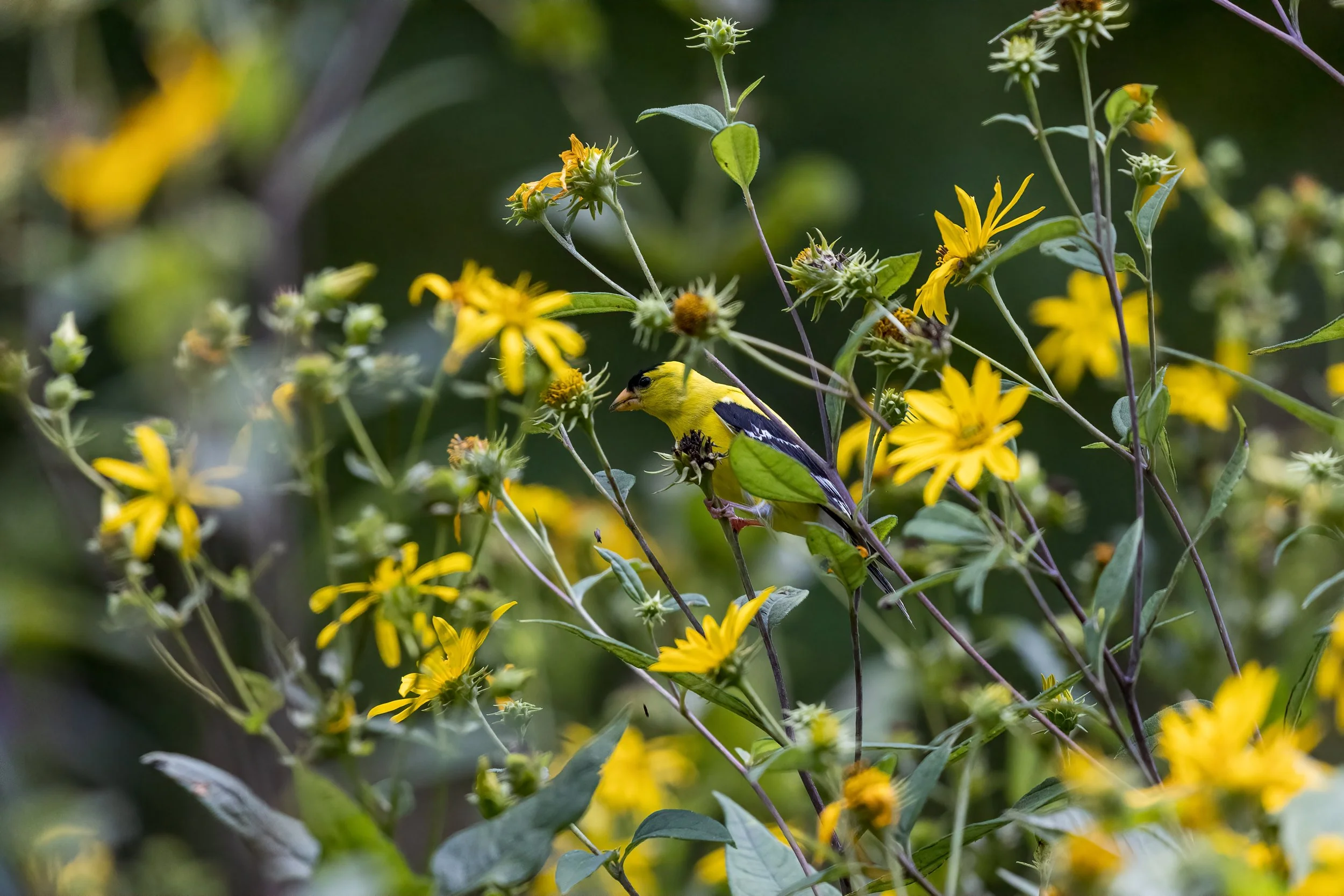
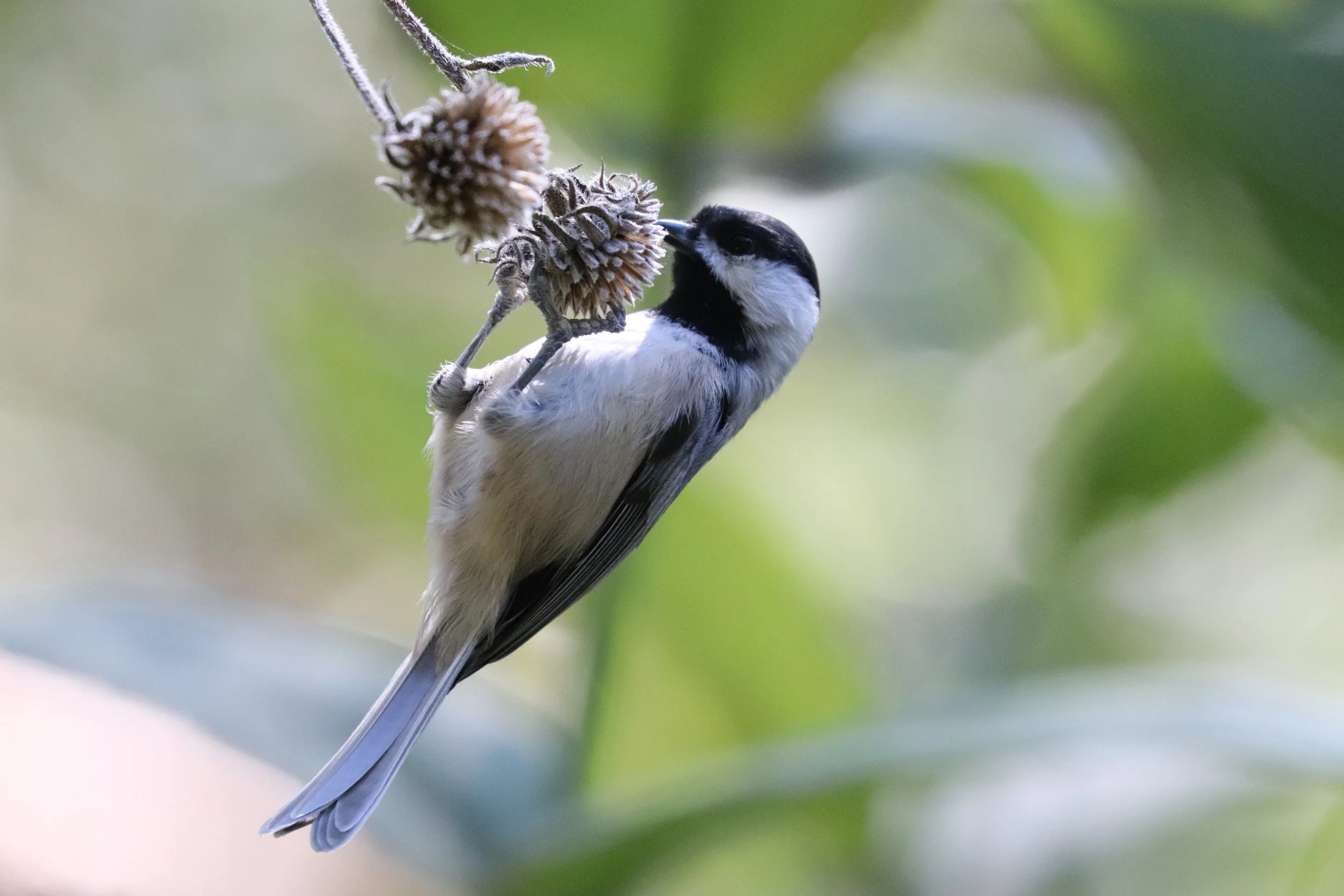
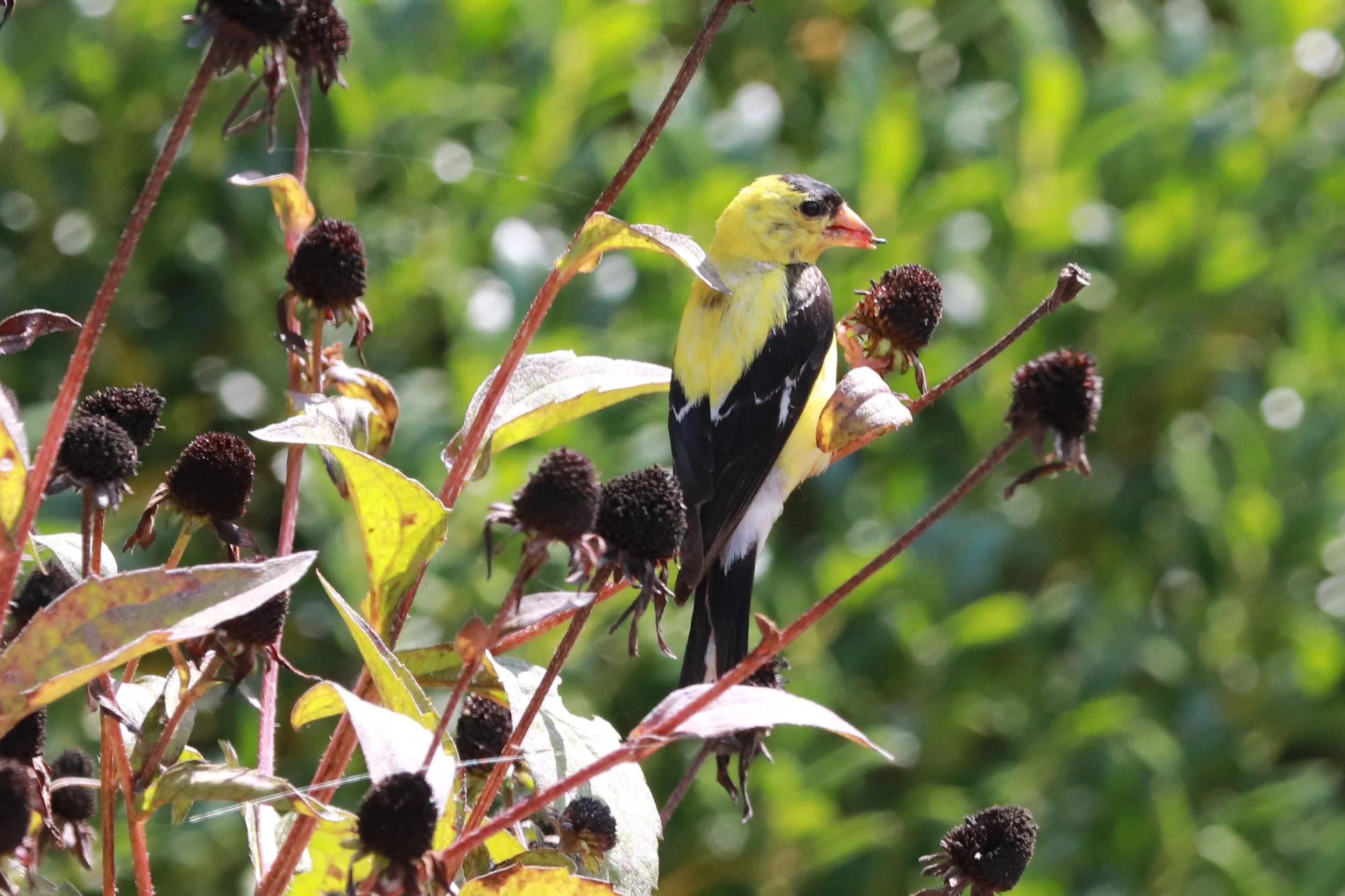
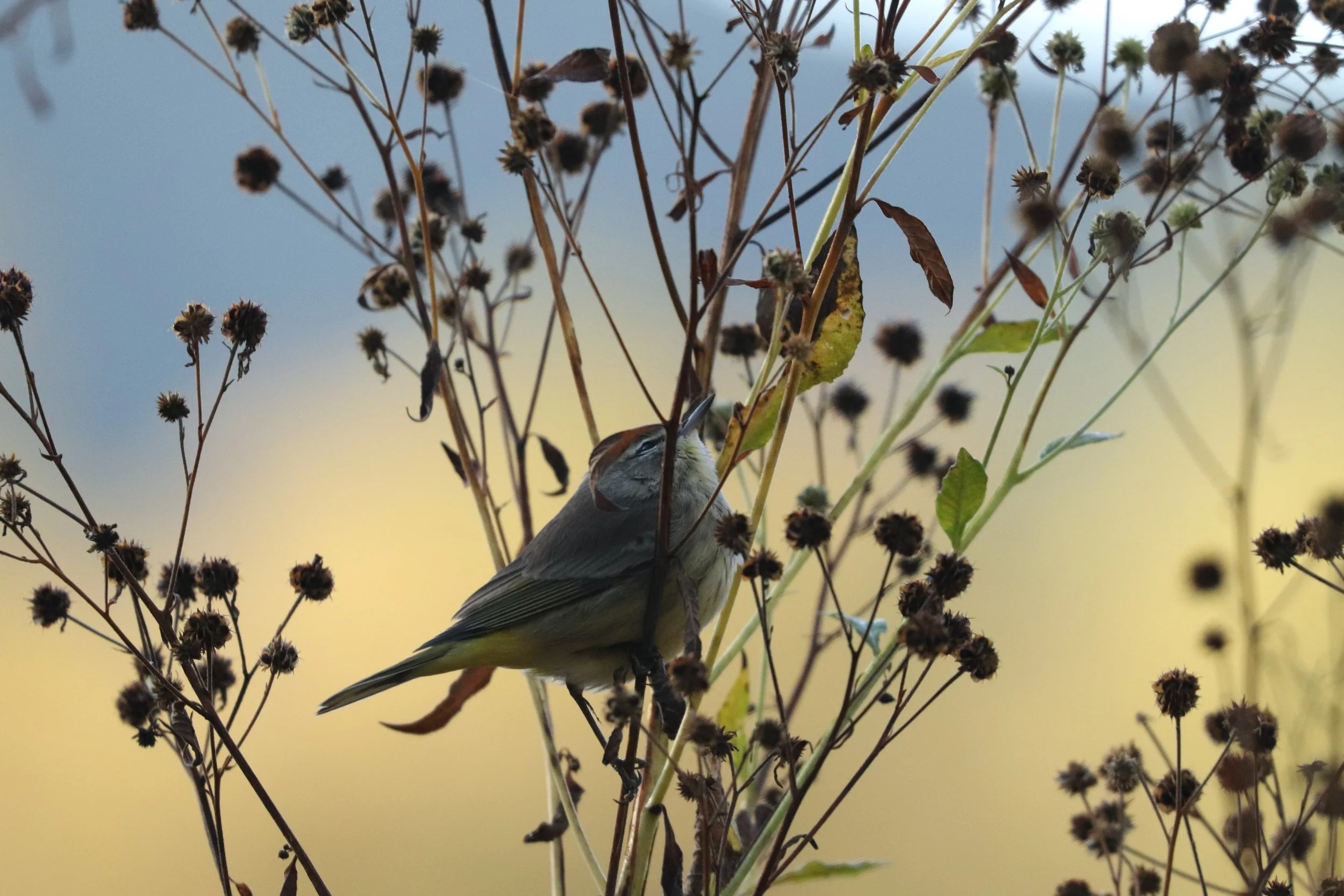
· Natural birdseed: Finches, sparrows, and other local birds feed on the dried seeds of coneflowers, black-eyed Susans, and sunflowers when other food sources become scarce.
· Overwintering sites: Hollow plant stems and seed stalks provide safe nesting and egg-laying spaces for native and solitary bees.
· Insect protection: Beneficial insects and beneficial insect larvae hide within the dried plant debris until spring weather arrives.
· Self-sowing: Allowing seeds to drop organically encourages your favorite flowering perennials to return and spread naturally each year.
A Vital Winter Habitat
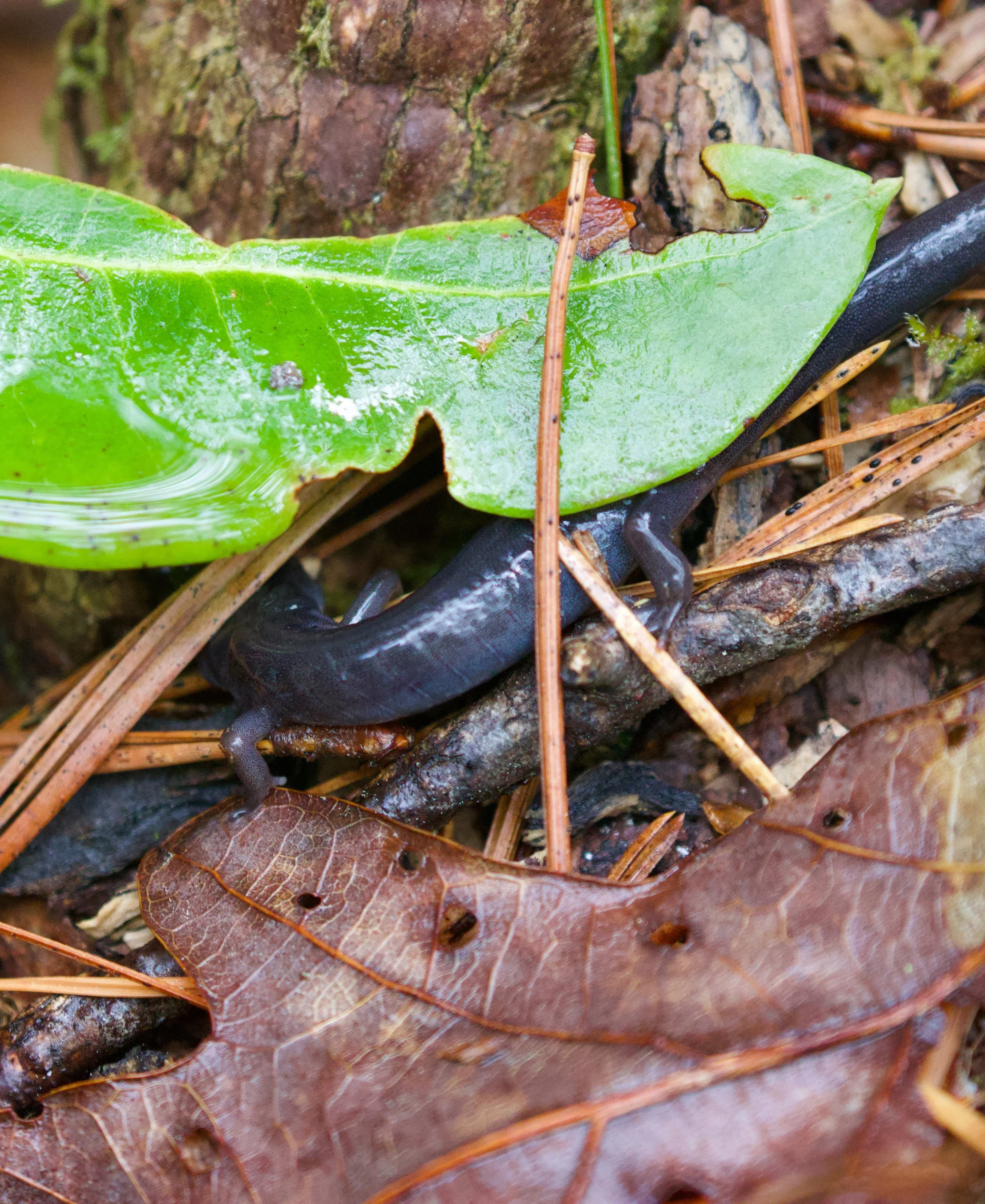
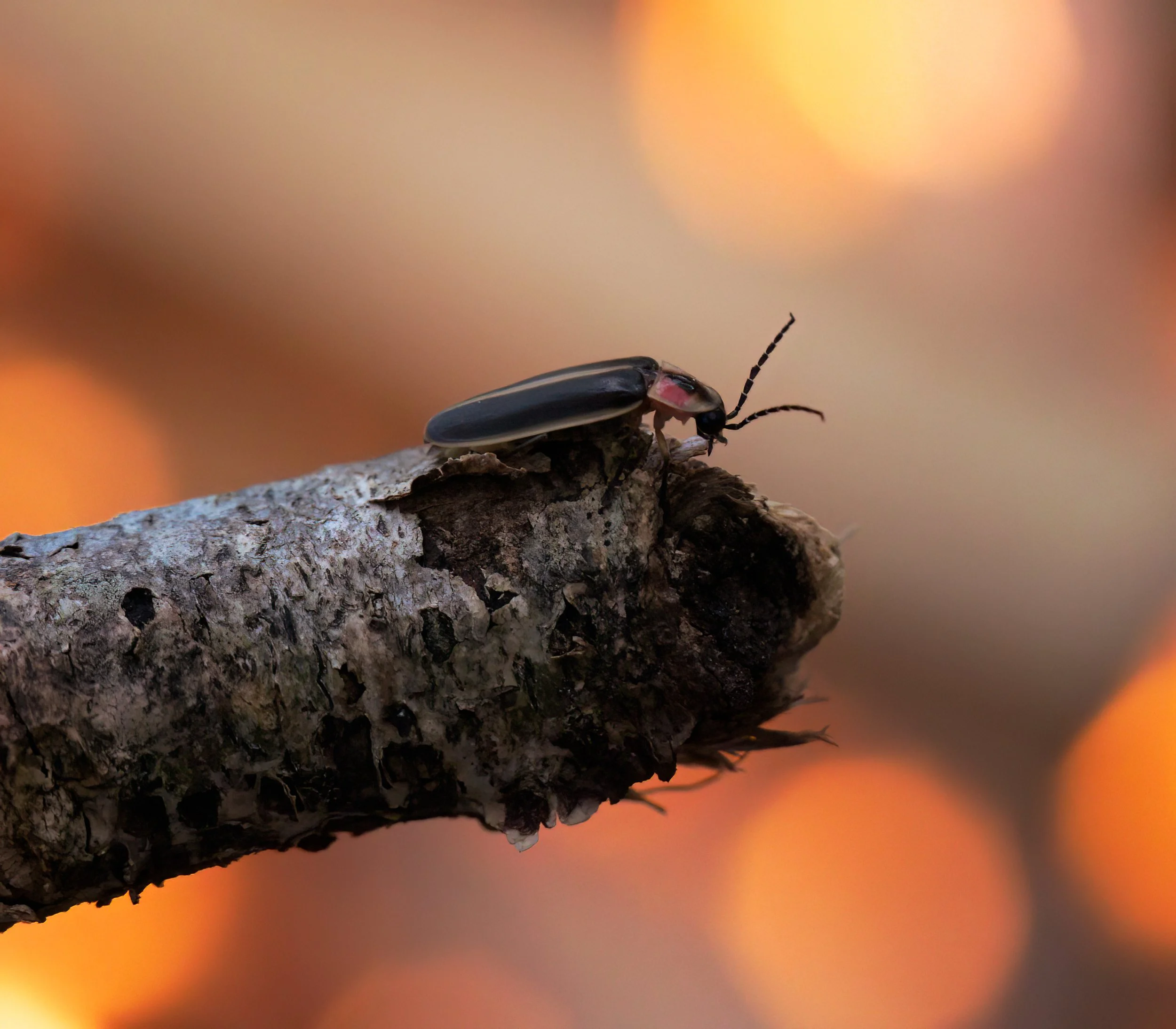
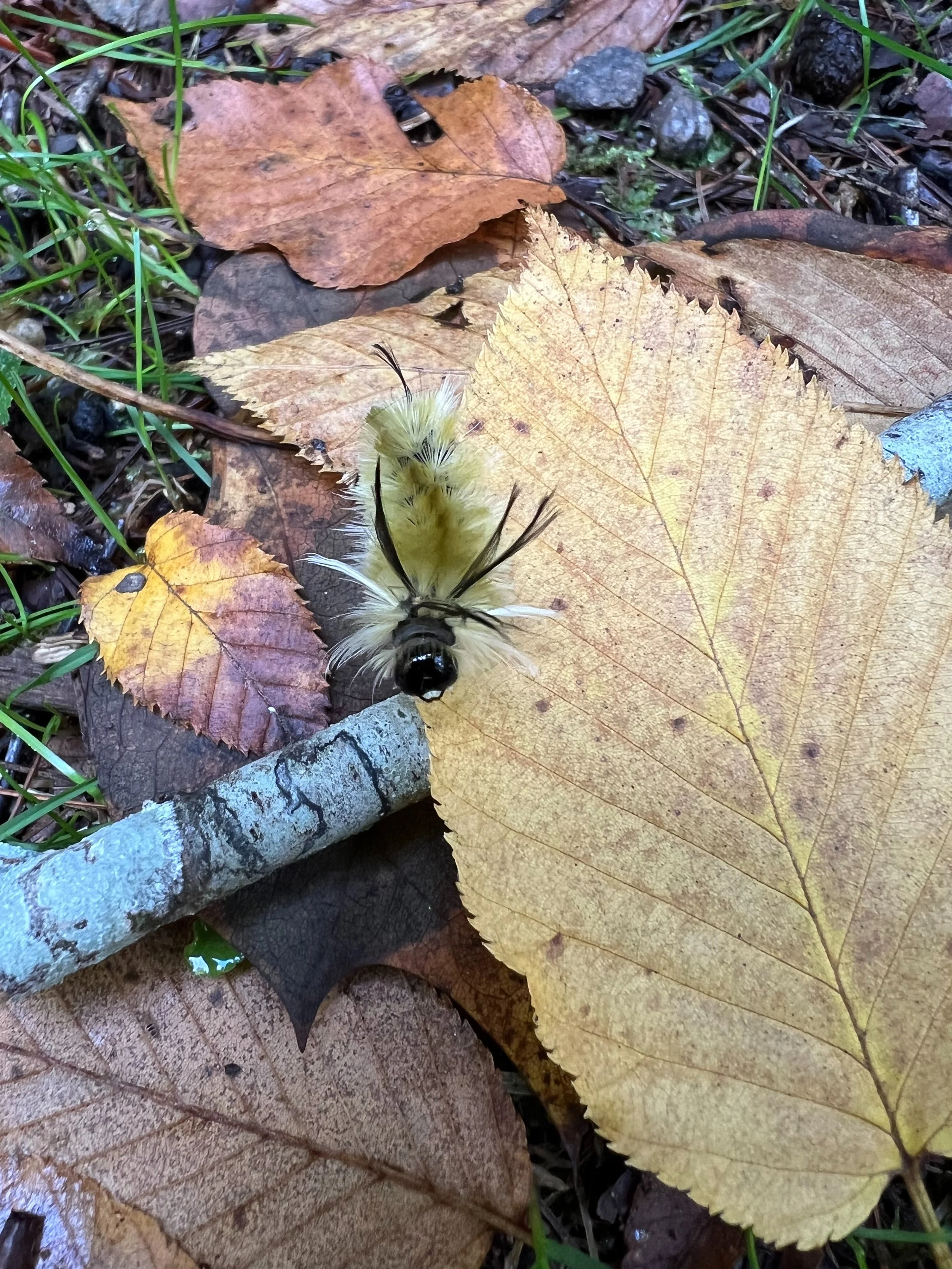
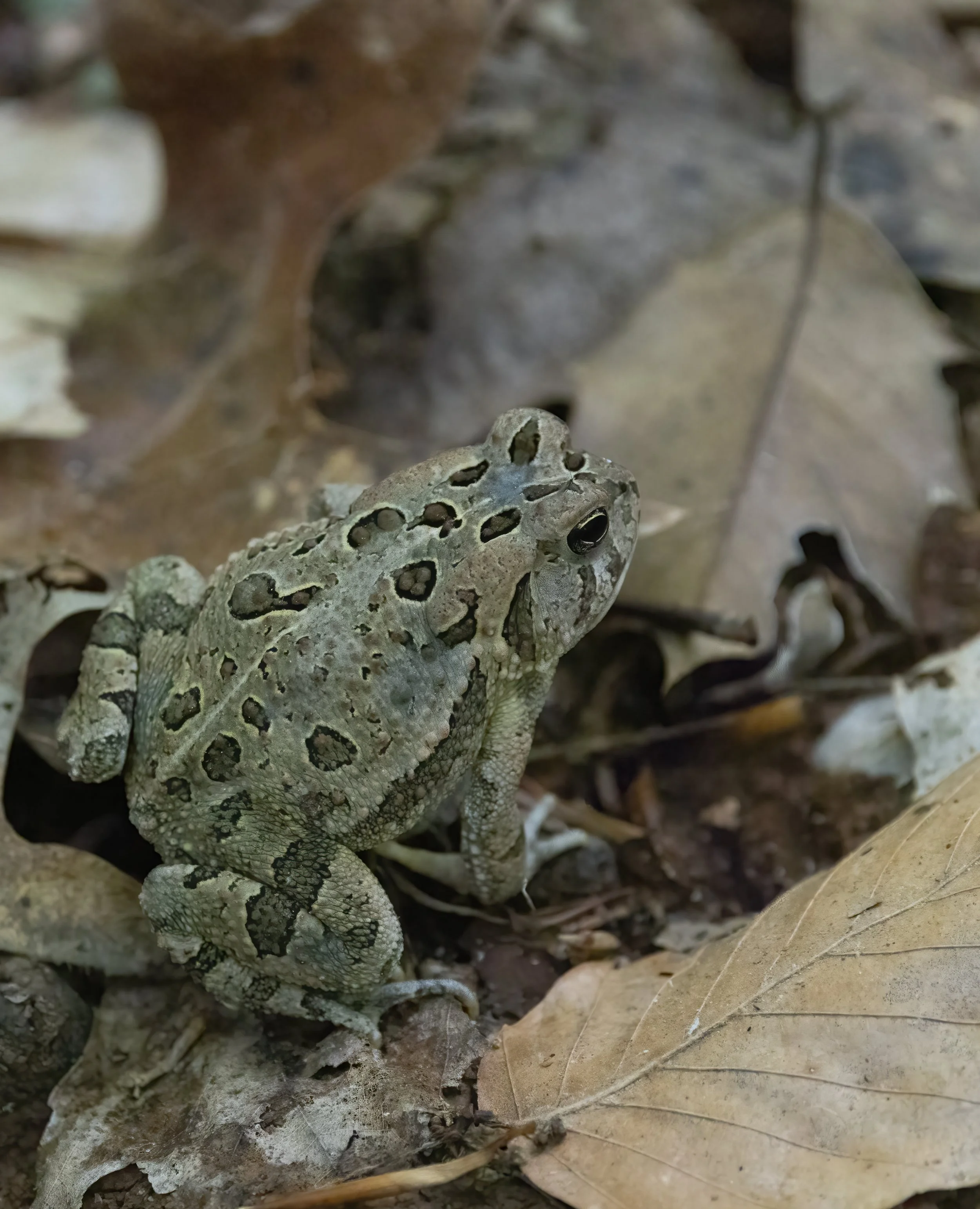
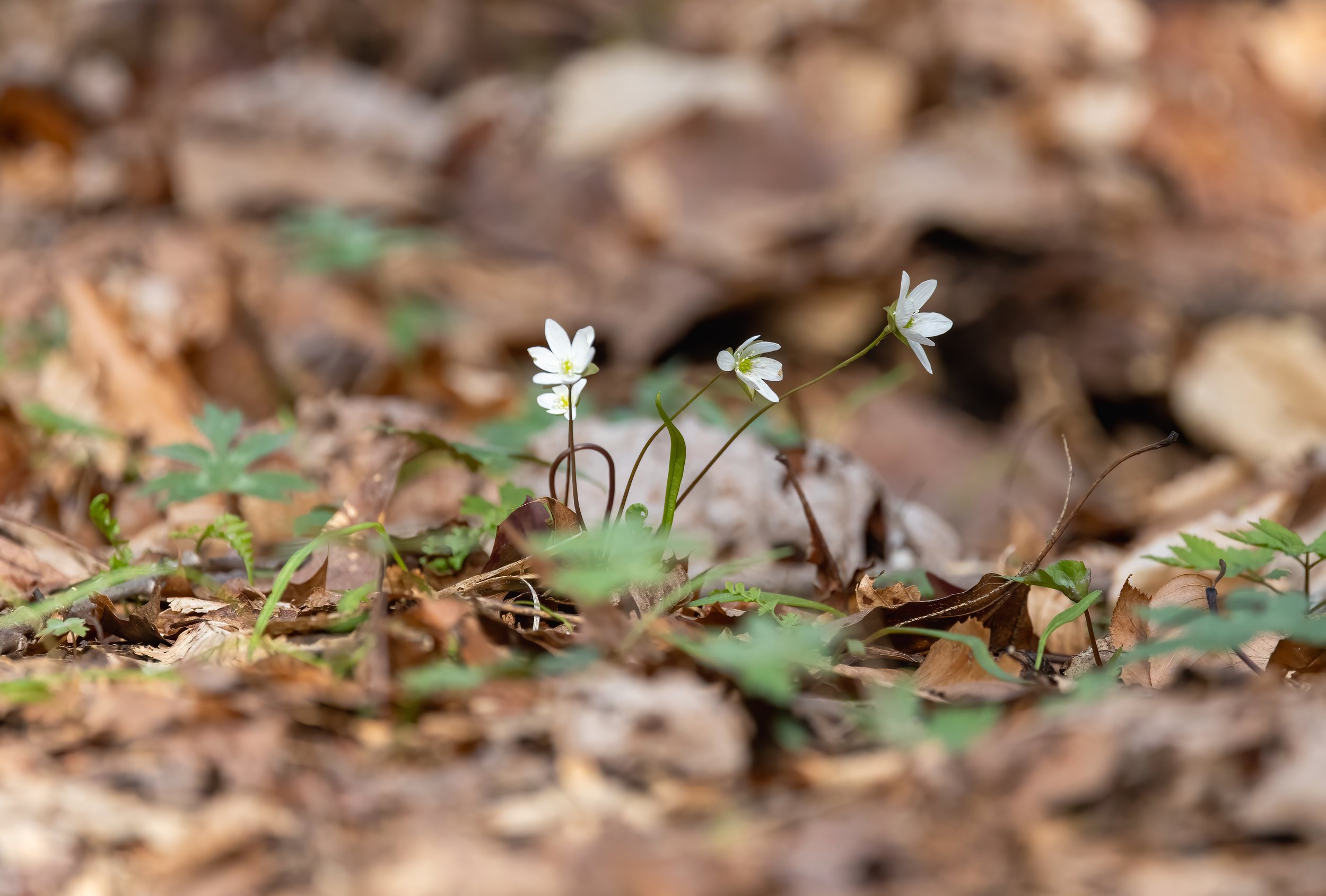
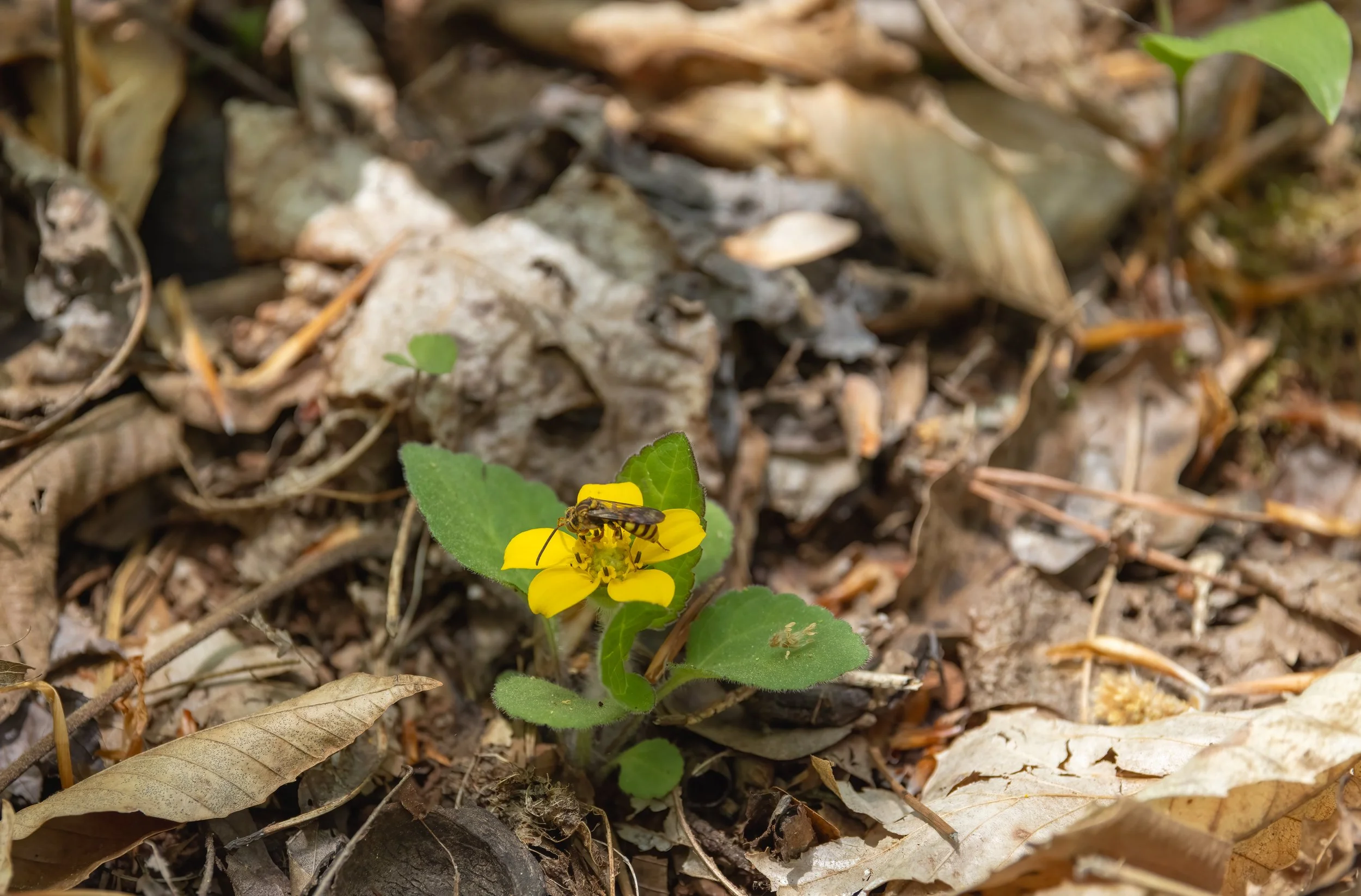
Fallen leaves, or leaf litter, provide crucial winter habitat for many insects and other wildlife. They shelter overwintering native bees, butterflies, moths, ladybugs, fireflies, salamanders, frogs, toads, turtles, and more. In fact, 94% of moths rely on leaf litter to complete their life cycles. Many butterfly and moth caterpillars tuck themselves into the leaves until they emerge in the spring. Red-banded hairstreak butterflies lay their eggs on fallen oak leaves, which then become the first food the caterpillars eat when they emerge. Firefly larvae spend two years living in leaf litter preying on slugs and snails before pupating. Even Eastern box turtles burrow into the leaves to survive.
What to Do with Your Leaves
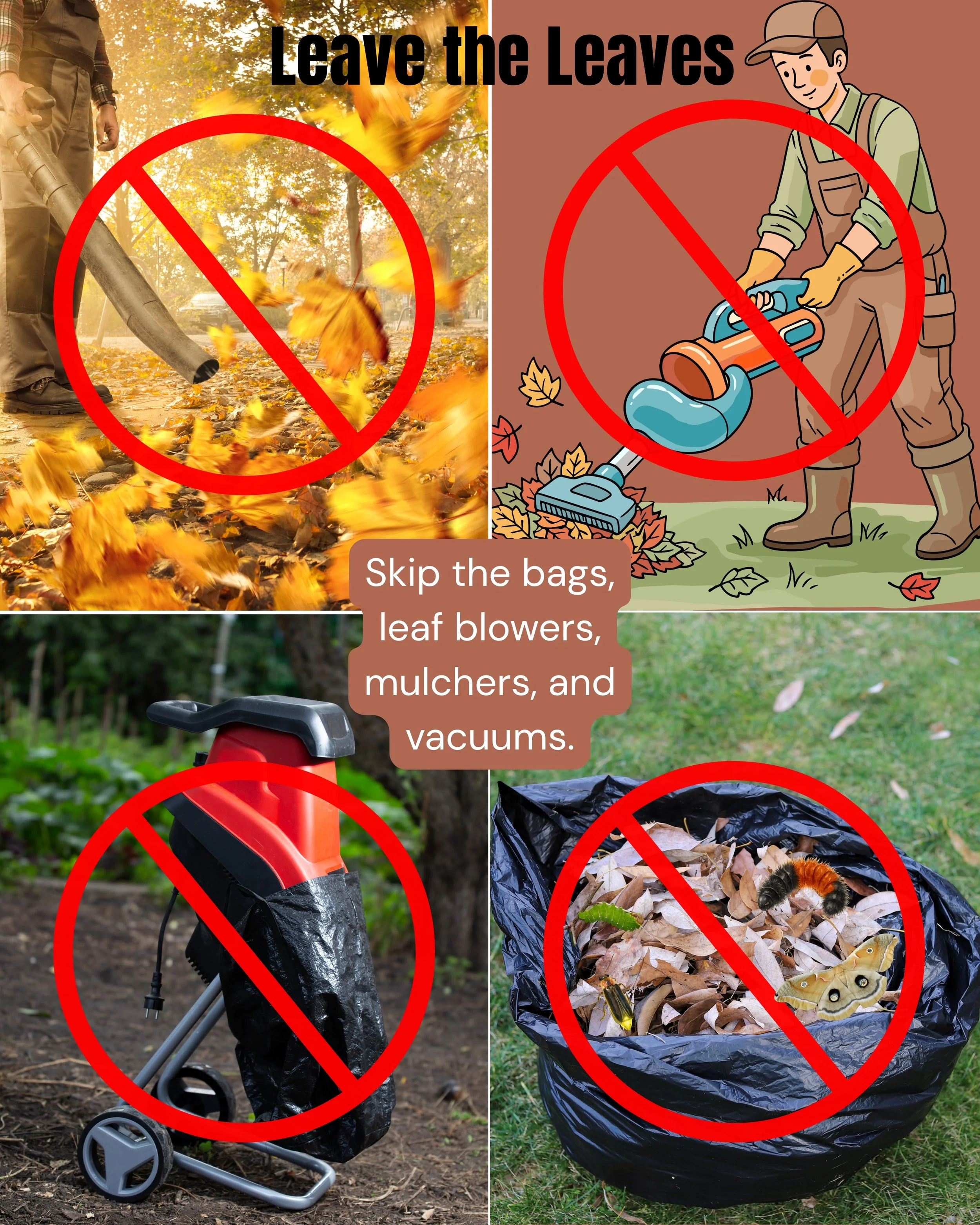
Keep your leaves intact—do not mulch or shred them, as this destroys the eggs and insects hiding inside. Instead, try these steps:
Rake them gently into your flower beds to use as natural mulch.
Create a wildlife pile in a quiet corner of your yard.
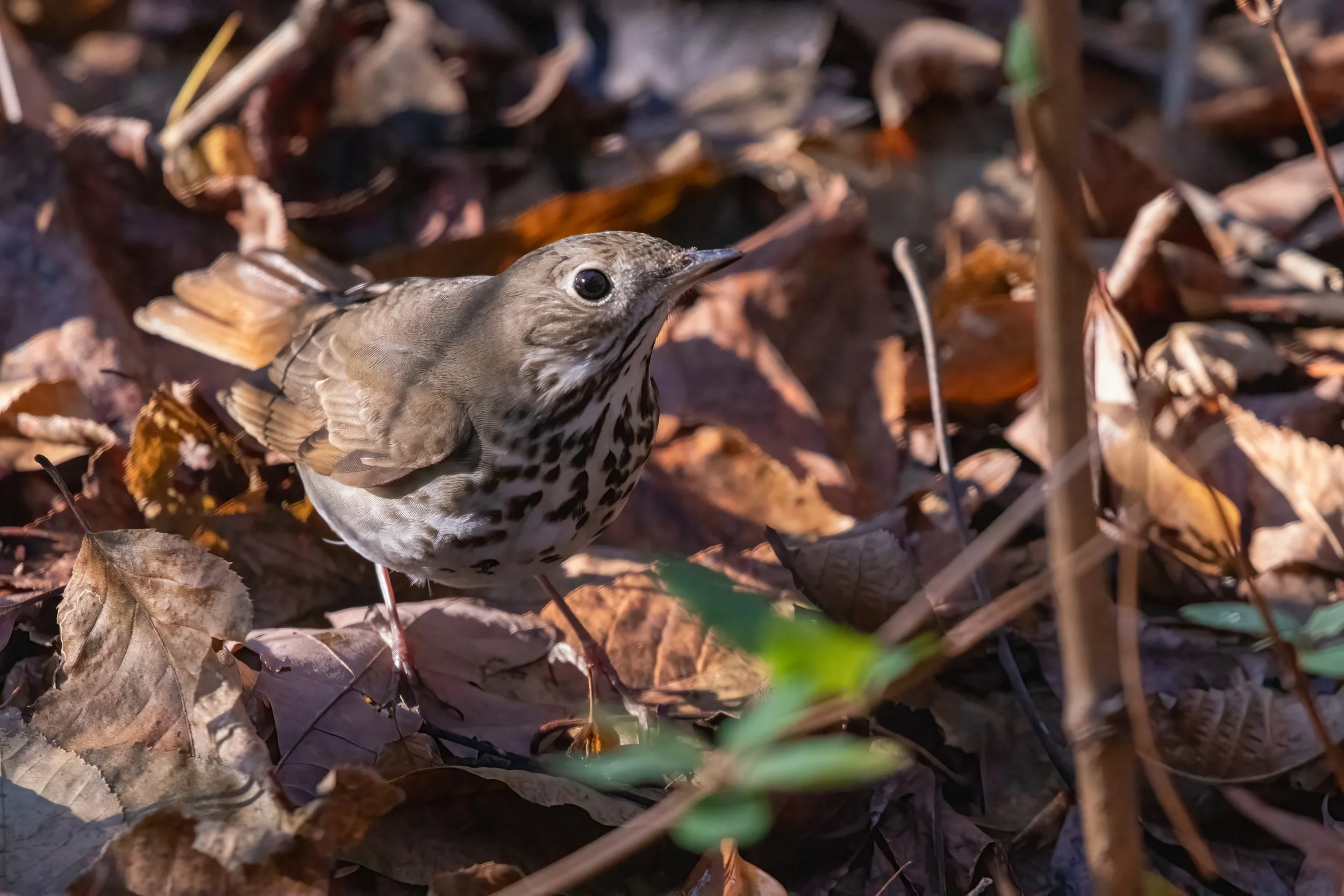
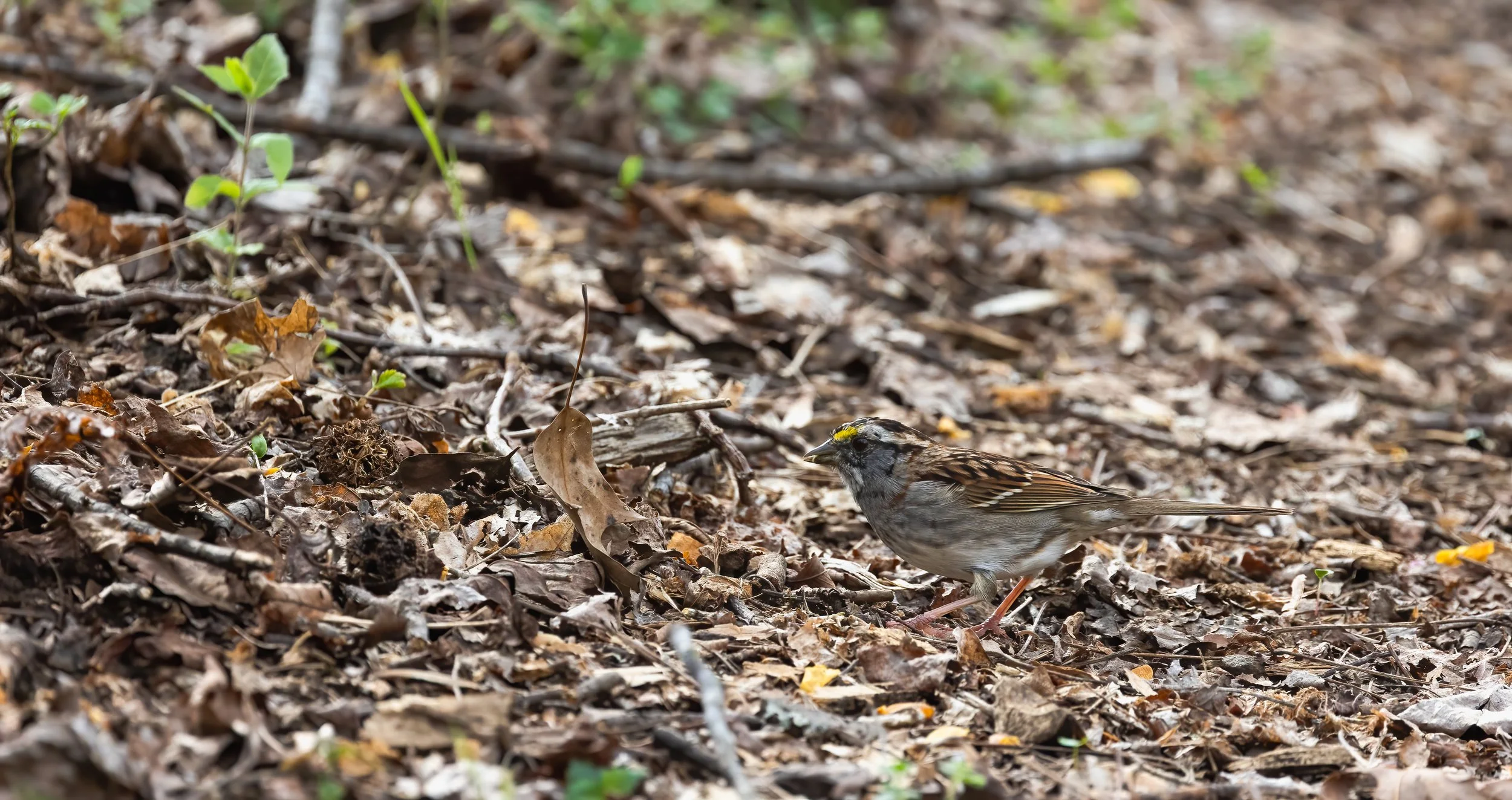
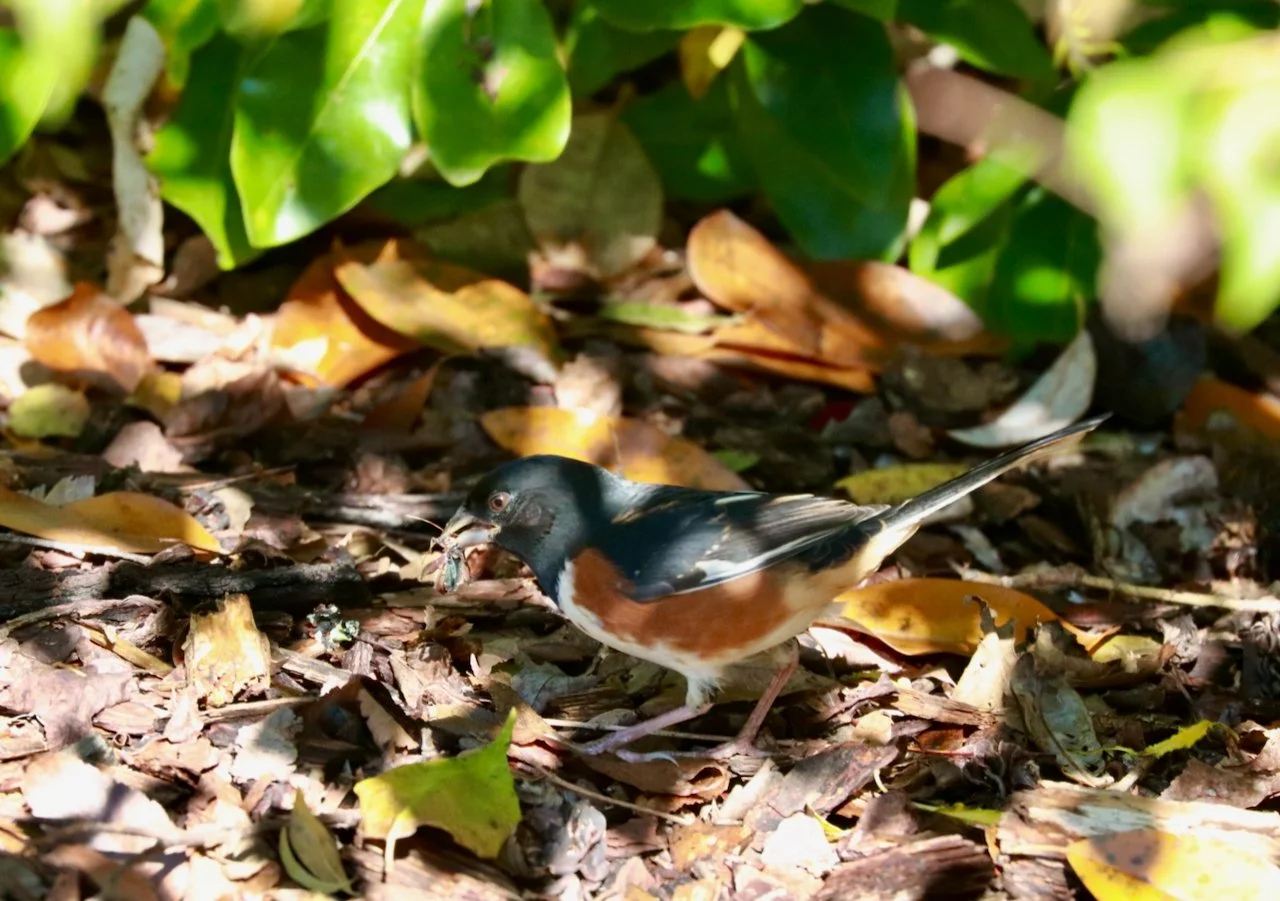
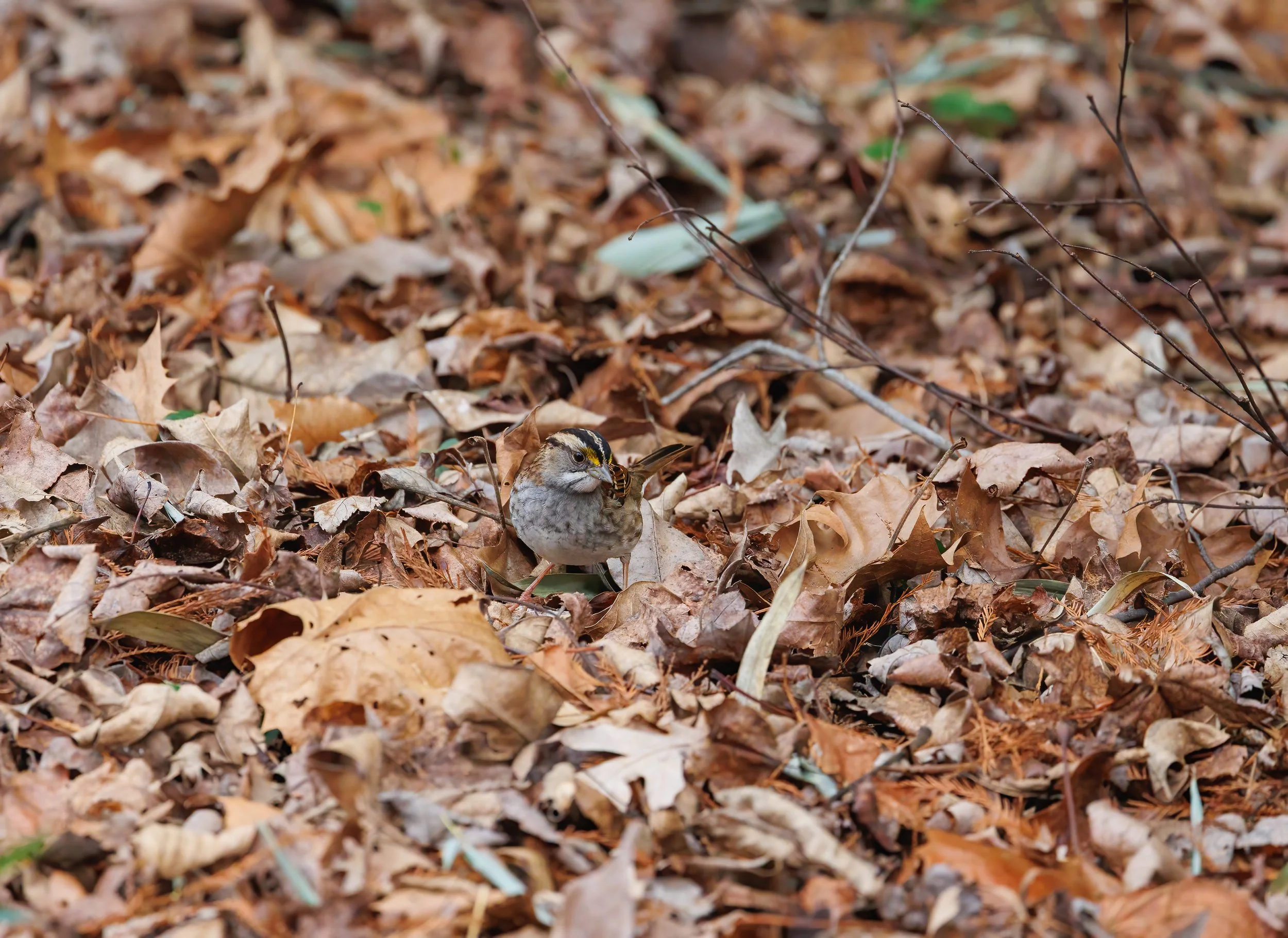
Leave them as a natural foraging ground for insect-eating birds like brown thrashers, eastern towhees, juncos, and white-throated sparrows.
Free Fertilizer and Protection
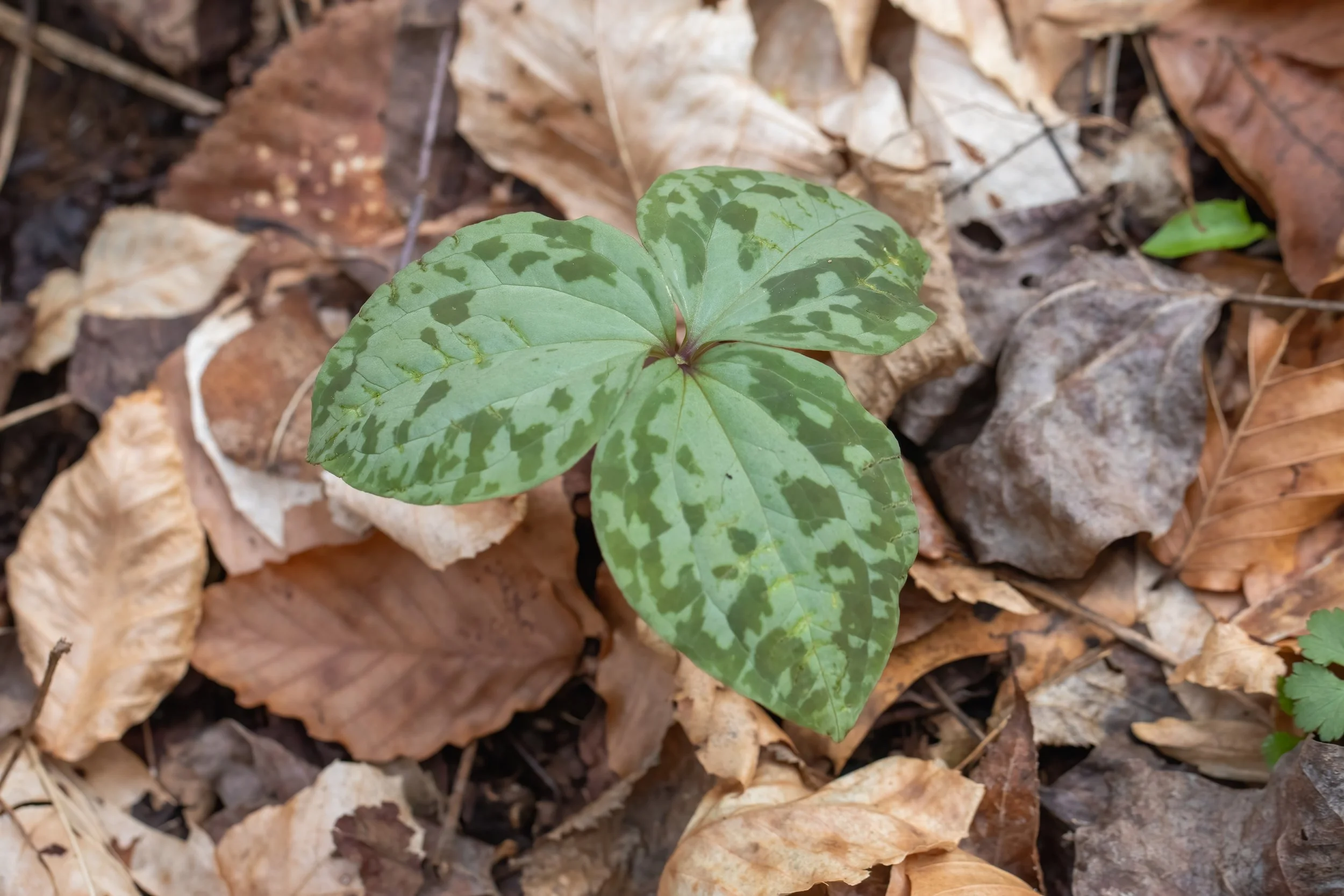
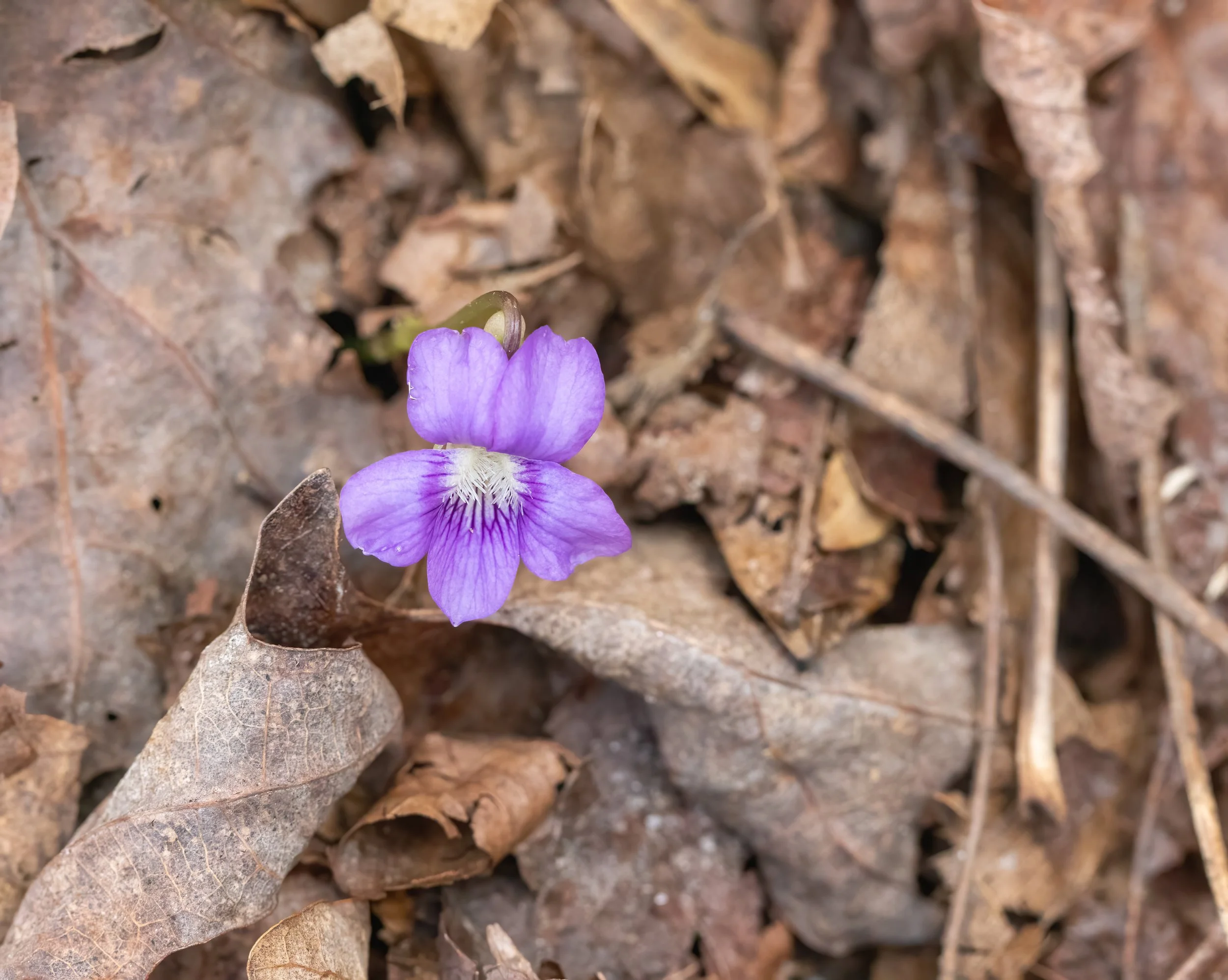
Decomposing leaves insulate plant roots from harsh winter weather. As they break down, leaves add nutrients back into the soil—improving soil biodiversity, boosting water retention, and enhancing aeration. Best of all, leaf mulch suppresses weeds just as well as expensive wood mulch.
Fighting Climate Change from Your Yard
Leaving your leaves also fights environmental pollution. According to the EPA, yard debris accounts for a whopping 33 million tons of waste annually—that is over 13% of the nation’s solid waste. When bagged leaves rot in landfills without oxygen, they generate methane, a problematic greenhouse gas.
By keeping leaves in your yard, you keep them out of landfills. Your leaf layers will act like a sponge, absorbing heavy rainfall and protecting local waterways from polluted stormwater runoff. Plus, by putting away the gas-powered leaf blower and raking your leaves, you will instantly cut down on local air and noise pollution.
For more information on leaving your leaves visit the Xerces Society’s Leave the Leaves page.