Lights Out for Birds


The Problem:
Every spring and fall, millions of birds journey along the Atlantic Flyway north to their breeding grounds and back south to their wintering grounds. The majority of them fly at night, using the moon and stars to navigate. However, as they pass over big cities along their way, they can become disoriented by bright artificial lights and skyglow, often causing them to collide with buildings or windows. Disoriented birds also expend a lot of energy while flying around and calling out in confusion. This exhaustion can then leave them vulnerable to other urban threats.
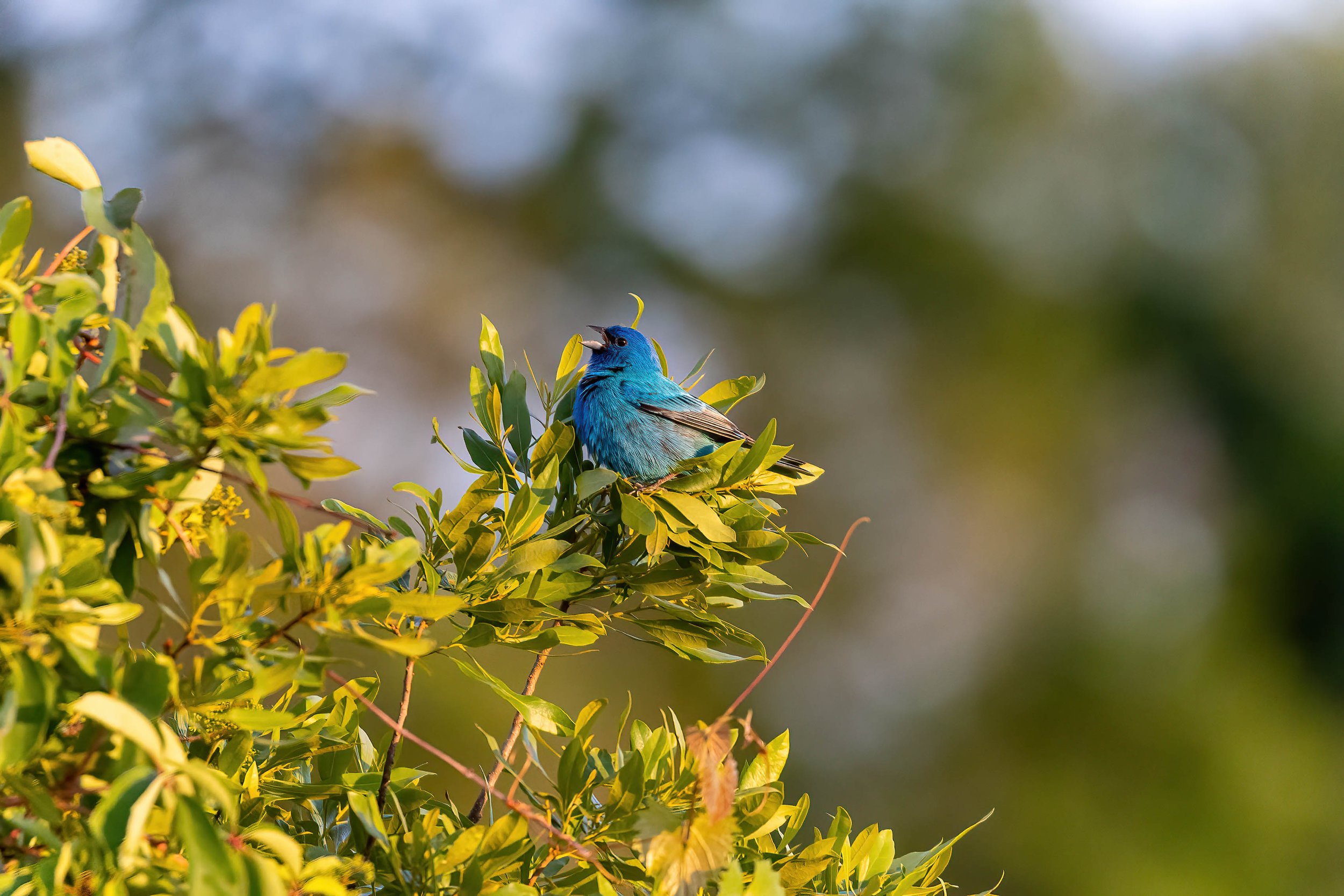
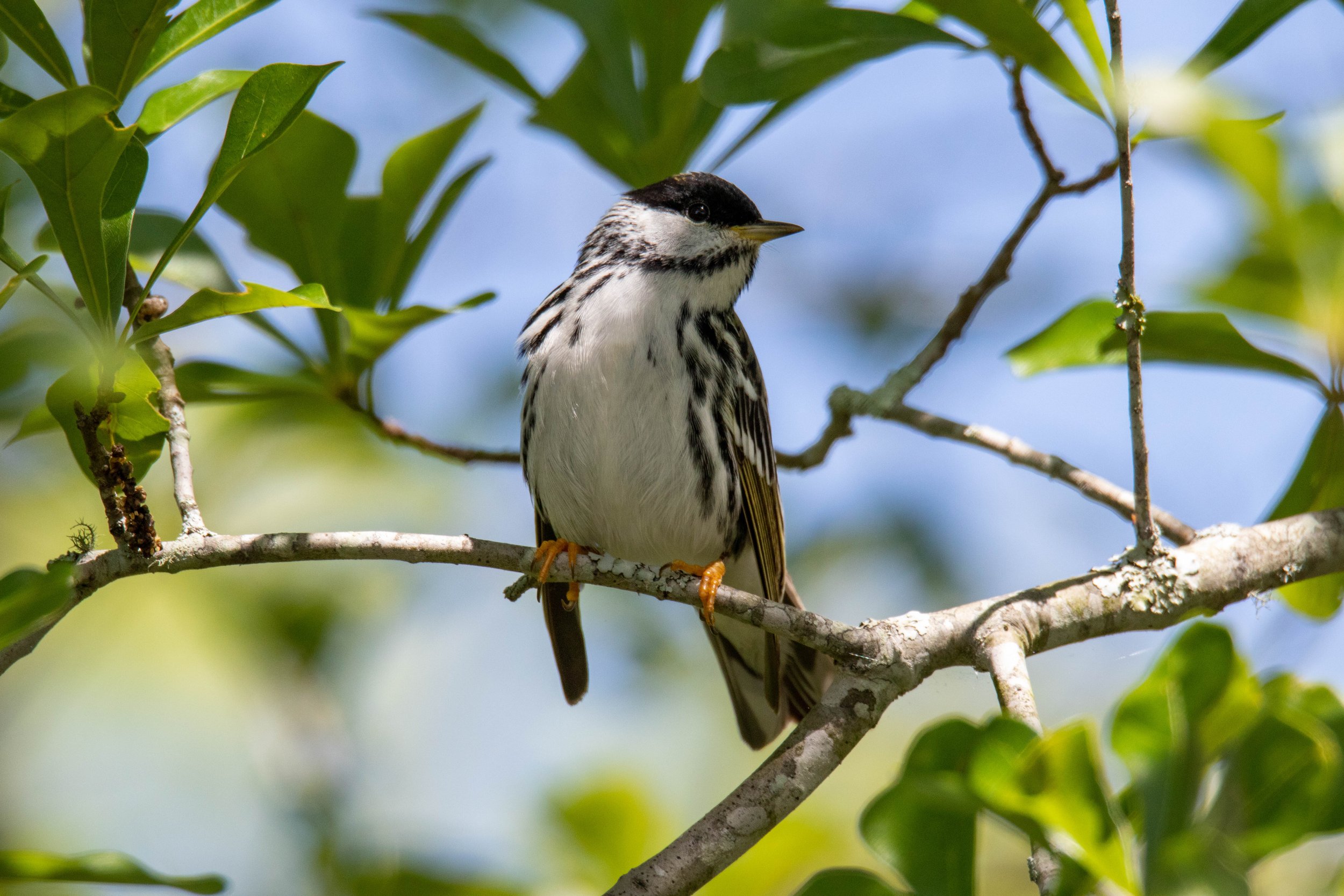
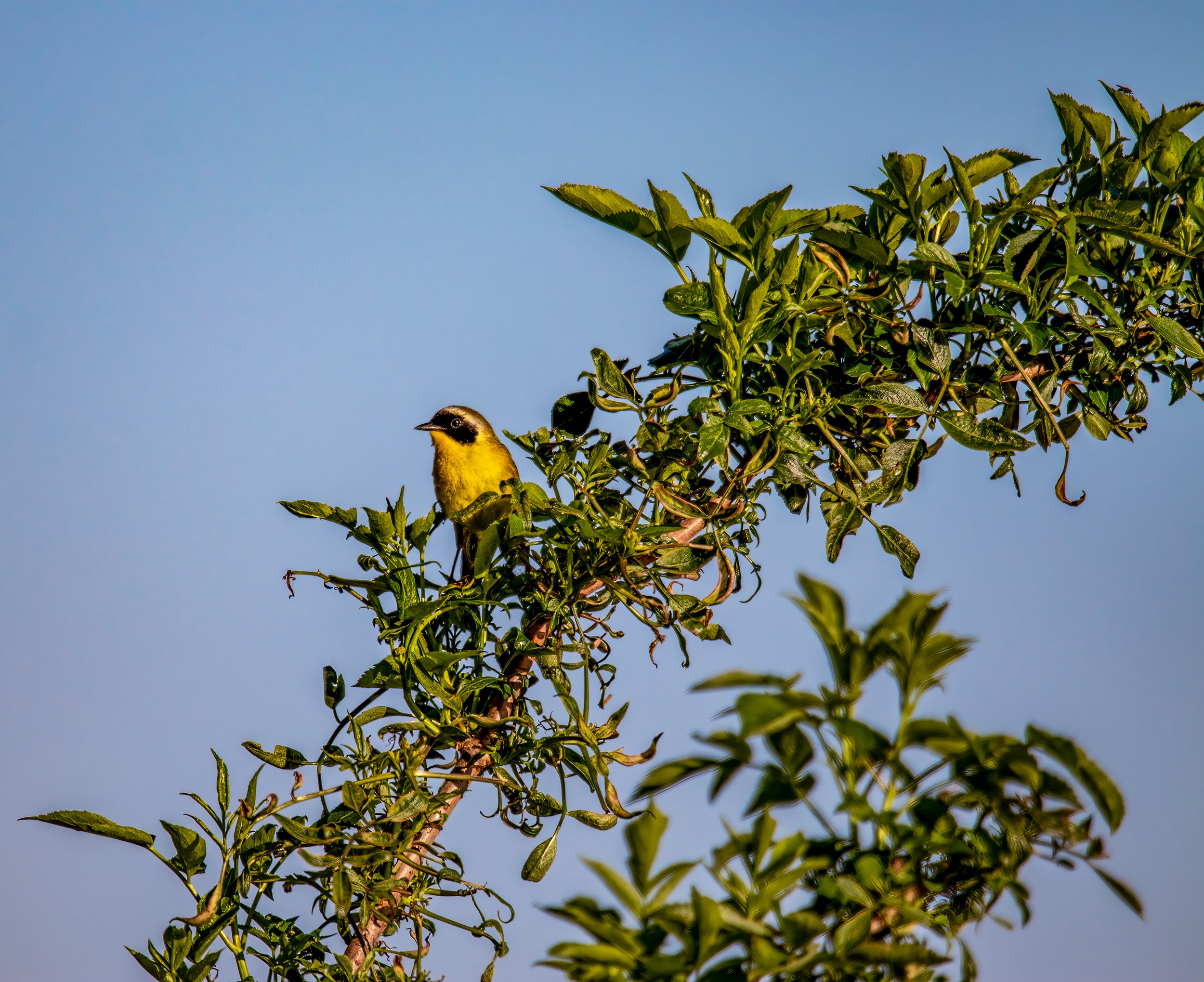
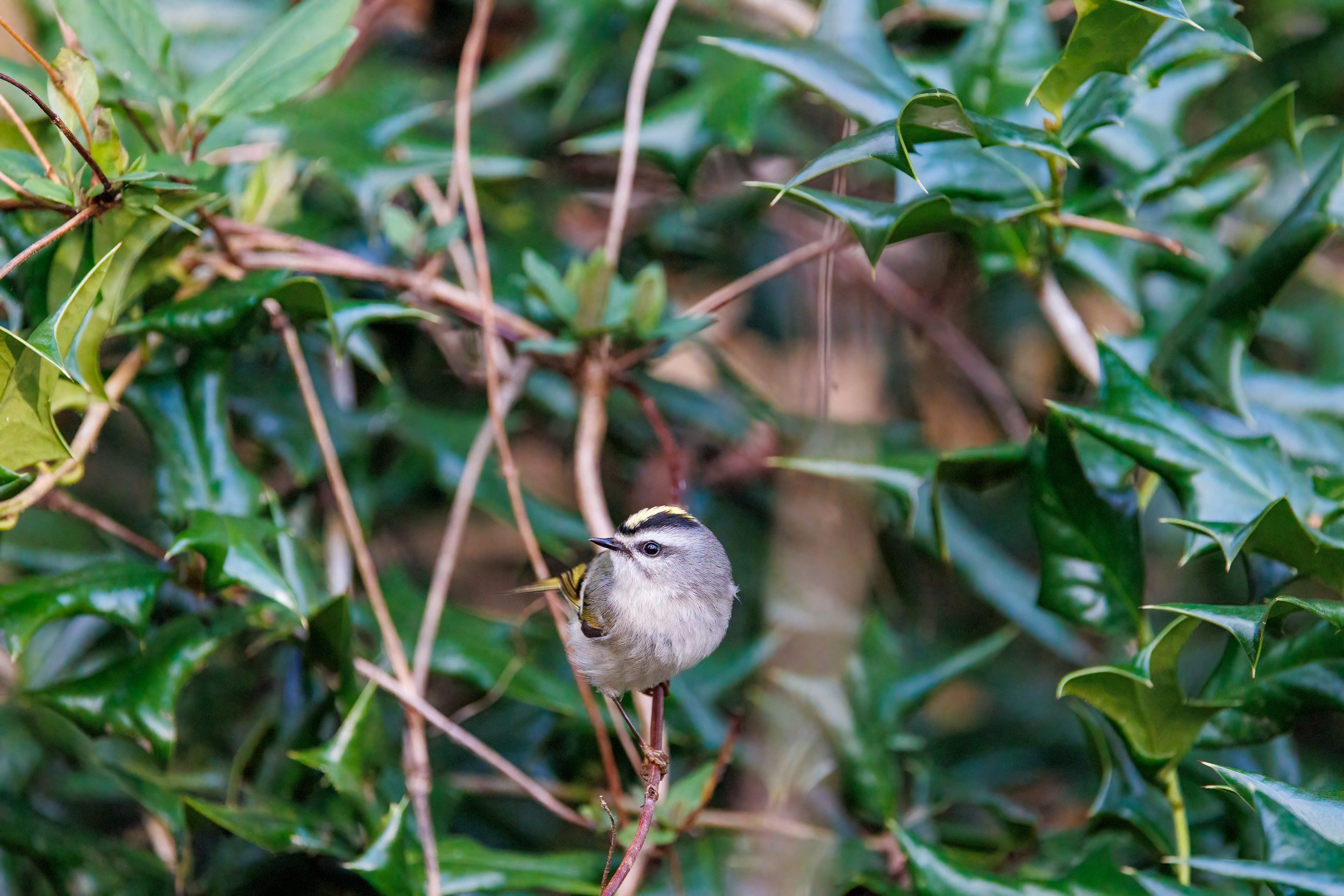
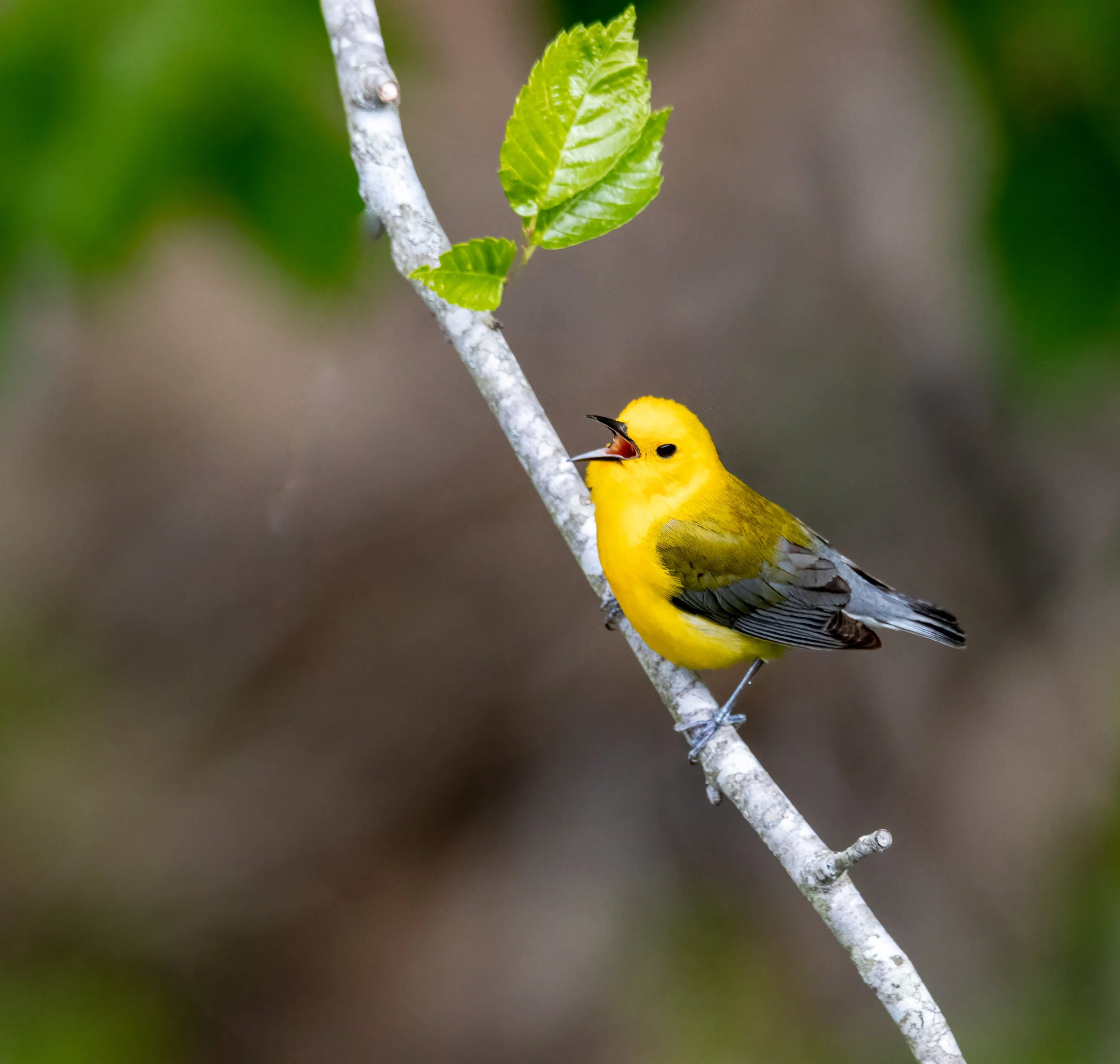
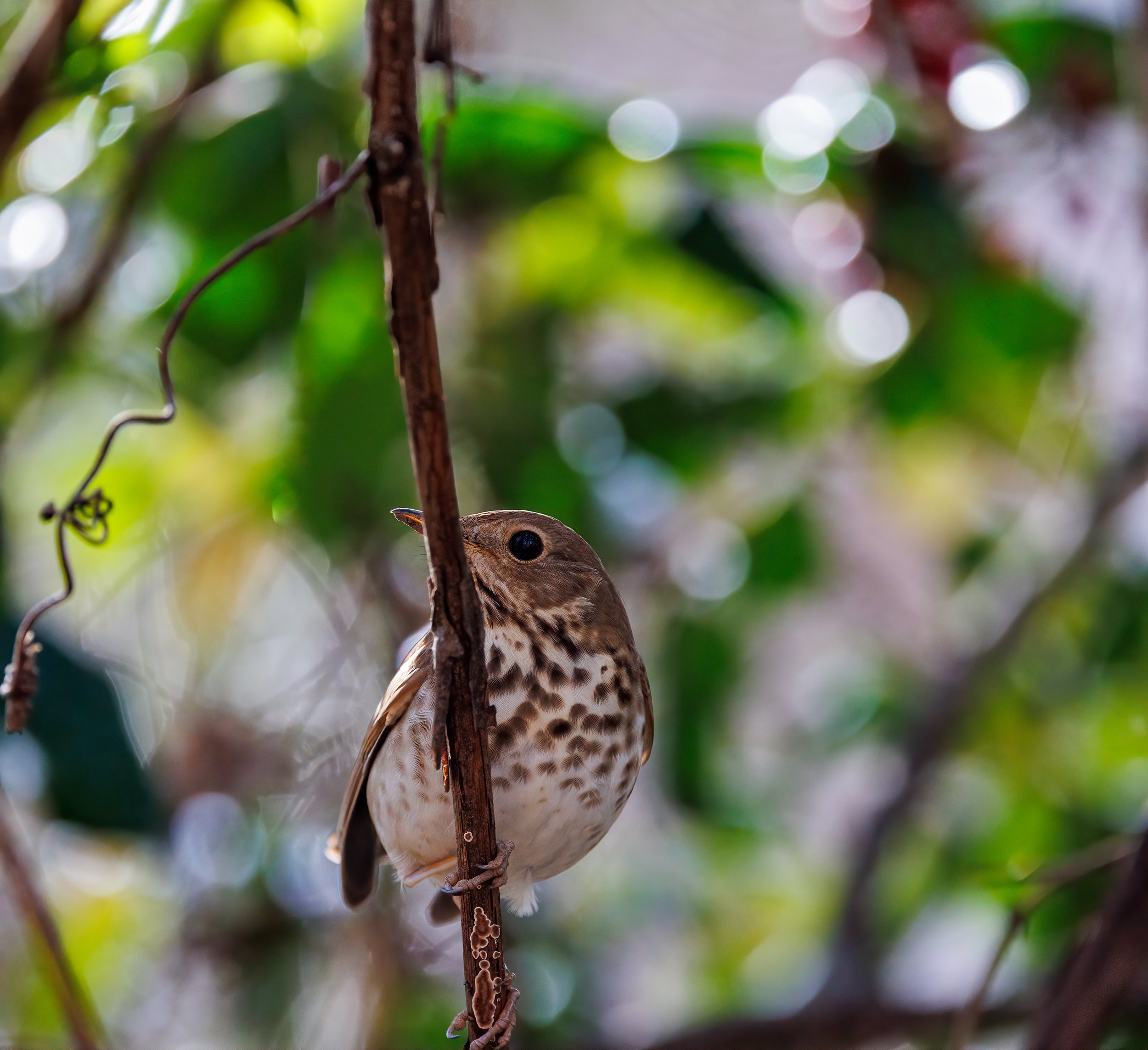
Many species are affected, including priority species—those that have been identified as most in need of and most likely to benefit from our help— such as hummingbirds, thrushes, and warblers. Just one building can cause major problems for birds in the area; within one week in 2017, nearly 400 passerines (warblers, grosbeaks, etc.) were caught in the floodlights of a 32-story Texas skyscraper and killed via window collisions. Most collision victims are migratory birds – warblers, thrushes and vireos – beloved for their bright colors and beautiful songs. An estimated 300 million to 1 billion birds die each year from collisions with glass on buildings, from skyscrapers to homes. Fewer than ten percent of the birds that collided with buildings were year-round residents such as Northern Cardinals and Eastern Towhees. This problem is not limited to large cities; recent surveys of 13 downtown Winston-Salem buildings, Audubon volunteers found 50 dead and injured birds in a single month during fall migration.
The Solution:
Audubon’s Lights Out program is a national effort to reduce this problem.
The strategy is simple: by convincing building owners and managers to turn off excess lighting during the months migrating birds are flying overhead, we help to provide them safe passage between their nesting and wintering grounds.
Turn out the lights and give the more than 150 species of birds that pass through Greensboro the dark skies they need to fly safely. In doing so, you will save money and reduce our city’s use of fossil fuels. And we will all see more stars. Bird-friendly skies are friendlier for people, too. The fall lights out period is mid August-November 30. The spring lights out period is mid March - May 31. Research has shown that some birds begin their nighttime flight right after dark so we are encouraging people to turn off their lights at dusk or no later than 11PM if dusk doesn’t work for them.
Contribute to Lights Out
Indoors:
Turn off nonessential lights from dusk till dawn, or no later than 11 PM to 6 AM, during spring and fall migration.
Turn off lights when leaving a room rather than leaving them on.
Reduce lobby and atrium lighting wherever possible.
Turn off interior lighting or close blinds at night to reduce the amount of light being emitted from windows.
Substitute task and area lighting for workers staying late, or close window coverings.
Outdoors:
Do not use landscape lighting to light up trees or gardens where birds may be resting.
Turn off exterior decorative lighting, spot lights, and flood-lights.
Down-shield exterior lighting to eliminate horizontal glare and all light directed upward.
Use motion sensor lights if needed for security.
When converting to new lighting assess quality and quantity of light needed, avoiding over-lighting with newer, brighter technology.
Explore More
47 cities, 13 states, and Washington DC have organized programs to make a difference for birds!
You can read more about what Raleigh, Charlotte, and Winston-Salem are doing to help migrating birds Here
Here are some examples of dark skies friendly lighting from Dark Sky.
Nationally, for more information or to explore a map to learn more about Lights Out efforts happening across cities and states click Here
You can also download a two-page fact sheet with an overview of the issues and what people can do to help Here
You can check out BirdCast’s migration forecast maps here and sign up for migration alert emails here. While they don’t have a specific alert for the Greensboro area birds that will be flying through Atlanta, GA will probably be passing through our area.